From Church Walls to Spiritual Freedom
My journey through decades of organized religion — Baptist, Pentecostal, Assemblies of God — through broken marriages, a mental health crisis, and ultimately finding God outside the institution.
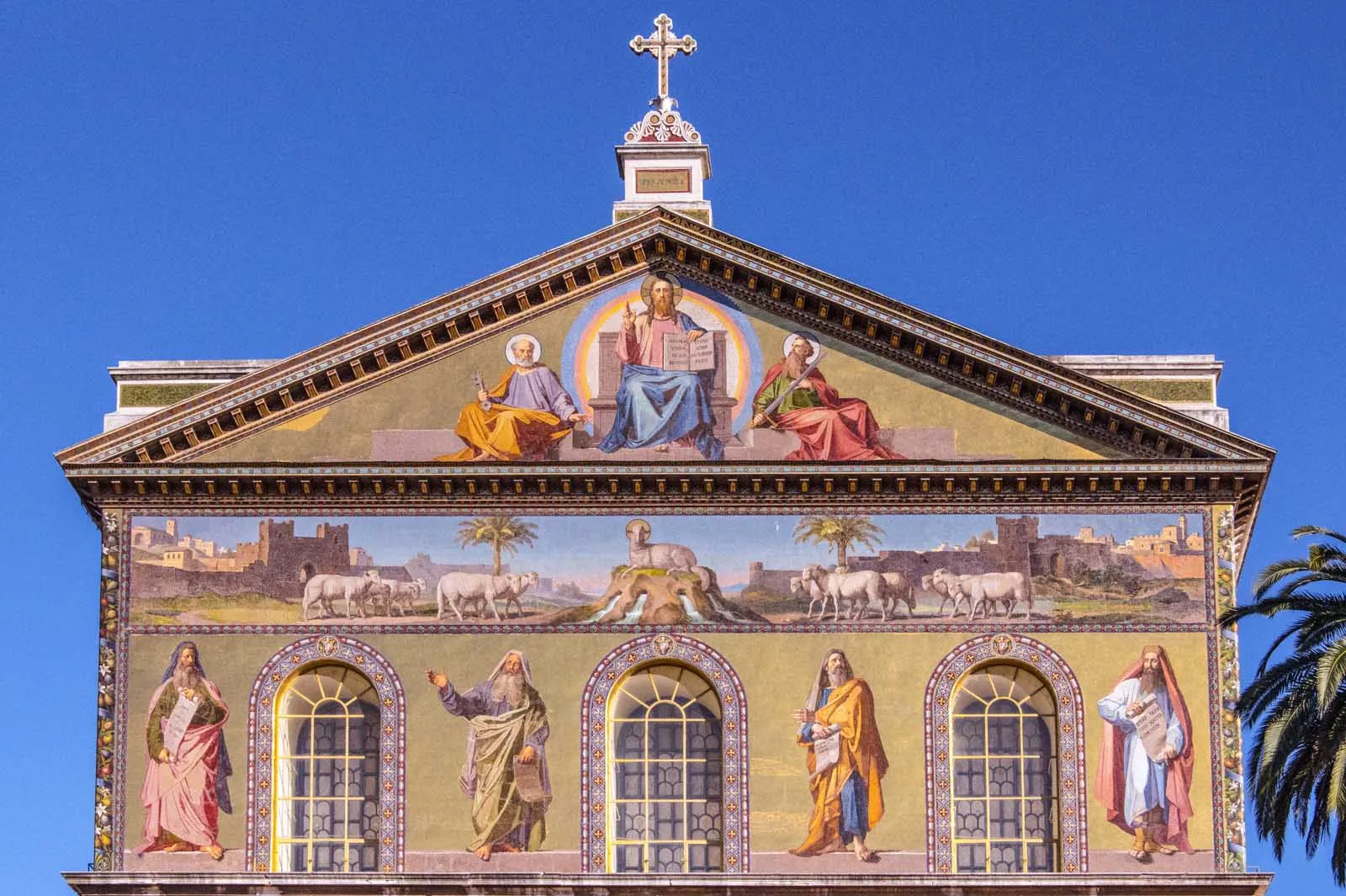
This is the hardest post I’ve ever written. Not because the words are difficult to find, but because the story is messy — and I’ve spent most of my life in communities that don’t do well with messy.
Years ago, I wrote about hitting bottom and finding God through it. That post was real, and I meant every word of it. This is what happened after. Same honesty, different place.
But messy is honest. And if my story helps even one person who’s sitting in a pew right now feeling like something doesn’t add up, it’s worth telling.
Growing Up in the Church
I was born and raised in the Christian church, growing up in a non-denominational setting where I learned to play the drums and spent many years serving in music ministry. Music was my way in — it gave me purpose, community, and a place to belong.
As a teenager, I moved through Free Will Baptist and Southern Baptist churches, eventually marrying within that tradition and remaining for ten years. Church wasn’t just something I did on Sundays. It was my identity. My social circle. My entire framework for understanding the world.
Until my marriage ended, and in my anger toward God, I walked away from all of it.
The Wilderness Years
For two years, I lived for myself — pursuing drinking, women, money, and travel. I was running, though I wouldn’t have called it that at the time. I was just done. Done with the rules, done with the expectations, done with a God who I felt had let me down.
Eventually, I remarried and found my way back to a non-denominational church. I threw myself into service again. I helped found a Christian school and served as chairman of its school board. From the outside, it looked like a redemption story.
But I was still trying to earn my worth through service and position rather than understanding grace. That pattern would need to break before real healing could begin.
After four years, poor decisions — including an affair — led to another failed marriage, my resignation from the board, and the loss of close relationships with my pastor and community. I don’t say that lightly or casually. It was a season of profound failure, and the consequences were earned. What I learned from it, slowly and painfully, is that no amount of church involvement can substitute for the inner work of actually facing yourself.
I felt deeply isolated, except for the woman I had been involved with, who was going through her own painful divorce and custody battle.
Finding Each Other
Over time, our relationship grew, and we eventually married. We’ve now been together for twelve years and married for nine. She was raised Pentecostal, and together we moved through several churches — Church of God, then a small Assemblies of God congregation — always serving in music ministry. It’s what we knew. It’s what we were good at.
We followed a music pastor who was also a lifelong friend of my wife’s to a new church, and we served there for four years. We were embedded. Committed. We thought we’d found our community.
The Breaking Point
During that season, I faced a severe mental health crisis that led to a suicide attempt.
I need to sit with that sentence for a moment, because it deserves more than a passing mention. Mental health struggles are real, they are serious, and they don’t care how many Sundays you’ve attended or how many worship sets you’ve played. I was drowning, and I didn’t know how to ask for help in a way that the people around me could hear.
In the aftermath, I felt discarded by the church community and the people I thought were friends. When I needed grace the most — the thing the church talks about every single Sunday — it wasn’t there. Not from the institution. Not from the people in it.
That painful experience was a turning point for us.
Stepping Away
We stepped away from organized religion and began to seek the Divine — what some call God, others call Source or Spirit — on our own terms. I use the word “Source” intentionally. It’s not a rejection of God. It’s an expansion. It’s the recognition that the creative, loving force behind everything is bigger than any denomination’s walls, any pastor’s interpretation, or any building with a steeple.
In that process, we’ve unlearned many of the religious burdens we carried — the performance, the guilt cycles, the idea that your worth is tied to your usefulness to an institution. We’ve awakened to deeper truths about love, purpose, and freedom that were always there in the teachings but got buried under doctrine and politics.
What It Looks Like Now
People sometimes ask what our spiritual life looks like without church, as if faith can’t exist outside a building.
It looks like morning stillness and gratitude before the day starts. It looks like honest conversations with my wife about what we believe and why. It looks like being present — really present — with our daughter instead of rushing to a service. It looks like reading broadly, questioning freely, and not being afraid of where the answers lead.
We’re raising our daughter outside of traditional church walls. We teach her what we’ve learned the hard way — that life is a school, that she was created for a purpose, and that her calling is to love unconditionally and to serve others, not self. We teach her that asking questions isn’t the opposite of faith. It’s the deepest expression of it.
Why I’m Sharing This
I’m not writing this to bash the church. I’m not writing it to tell anyone else what to believe. Some of the best people I’ve ever known sit in pews every Sunday, and their faith is genuine and life-giving.
But I know there are people reading this who recognize themselves in my story. People who’ve served faithfully and been discarded when they stumbled. People who’ve been told that doubt is dangerous. People who are exhausted from performing spirituality instead of experiencing it.
If that’s you — you’re not broken. You’re not backsliding. You might just be outgrowing a container that was never meant to hold everything you’re becoming.
The Divine doesn’t live in a building. It lives in the messy, honest, sometimes painful process of becoming who you were always meant to be.
If this resonated with you, I’d love to hear your story. Drop a comment below or reach out directly. You’re not alone in this.
If you or someone you know is struggling with mental health or suicidal thoughts, please reach out to the 988 Suicide & Crisis Lifeline by calling or texting 988. You matter.