#linux
12 posts.
-

Setting Up Ubuntu Server VMs in Proxmox VE with QEMU Guest Agent
A complete guide to creating Ubuntu Server virtual machines in Proxmox VE with full QEMU Guest Agent integration for seamless management and monitoring.
-

Learning Rust: My Approach as a 30-Year IT Veteran
Ubuntu is quietly rewriting the core of the OS in Rust. I don't need to become a Rust developer — I need to read it, tweak it, and build a couple of CLI tools. Here's the plan.
-
Managing My Raspberry Pi 4 Home Server: A Practical Operations Guide
A comprehensive guide to managing Docker containers, systemd services, and rclone cloud mounts on a Raspberry Pi 4 home server
-

Michal's rsync Cheat Sheet: Reliable Backups & Sync
My go-to tool for implementing the 3-2-1 backup strategy
-

Michal's Podman Cheat Sheet: A Docker Alternative for My Homelab
Complete Podman cheat sheet and tutorial for 2026. Learn Podman commands, Docker alternatives, and container management for homelab and Linux servers. Includes rootless containers, pod management, and Docker Compose compatibility.
-

Building a Redundant Unbound DNS Setup in My Home Lab
Build a redundant Unbound DNS setup on Raspberry Pi with automated config sync, security hardening, and health monitoring.
-

How To Install And Use Net Tools In Ubuntu
Install and use the classic net-tools package on Ubuntu to get commands like ifconfig, netstat, route, and more.
-
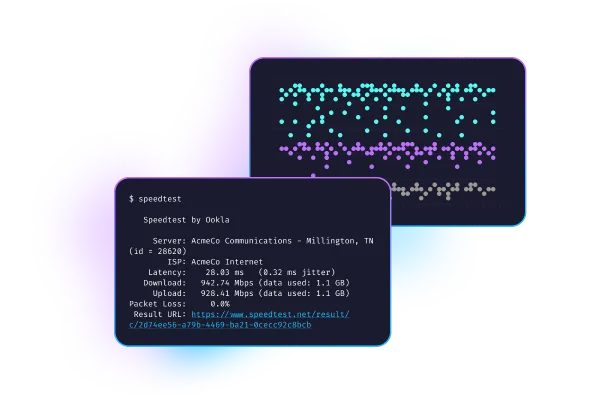
Install and Automate Ookla Speedtest CLI on Ubuntu
Using the Ookla Speedtest CLI to perform speedtest
-
How to Set a Static IP on Ubuntu (Netplan) with DNS Failover
Using the Ubuntu (Netplan) to manage your ip address
-
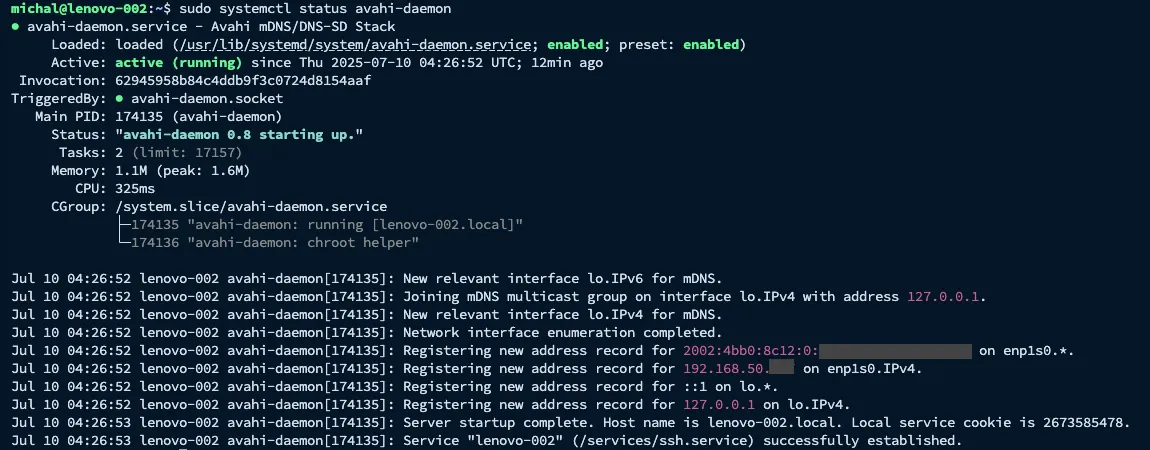
Configure mDNS for Hostname Resolution on Ubuntu
Configure Ubuntu for mDNS to ping/SSH using hostname.local (e.g., yourservername.local). Install Avahi, set hostname, and enable SSH discovery.
-
Custom Linux Welcome Message Guide
This guide walks you through setting up a personalized welcome message that appears when you log into your terminal or connect via SSH.
-
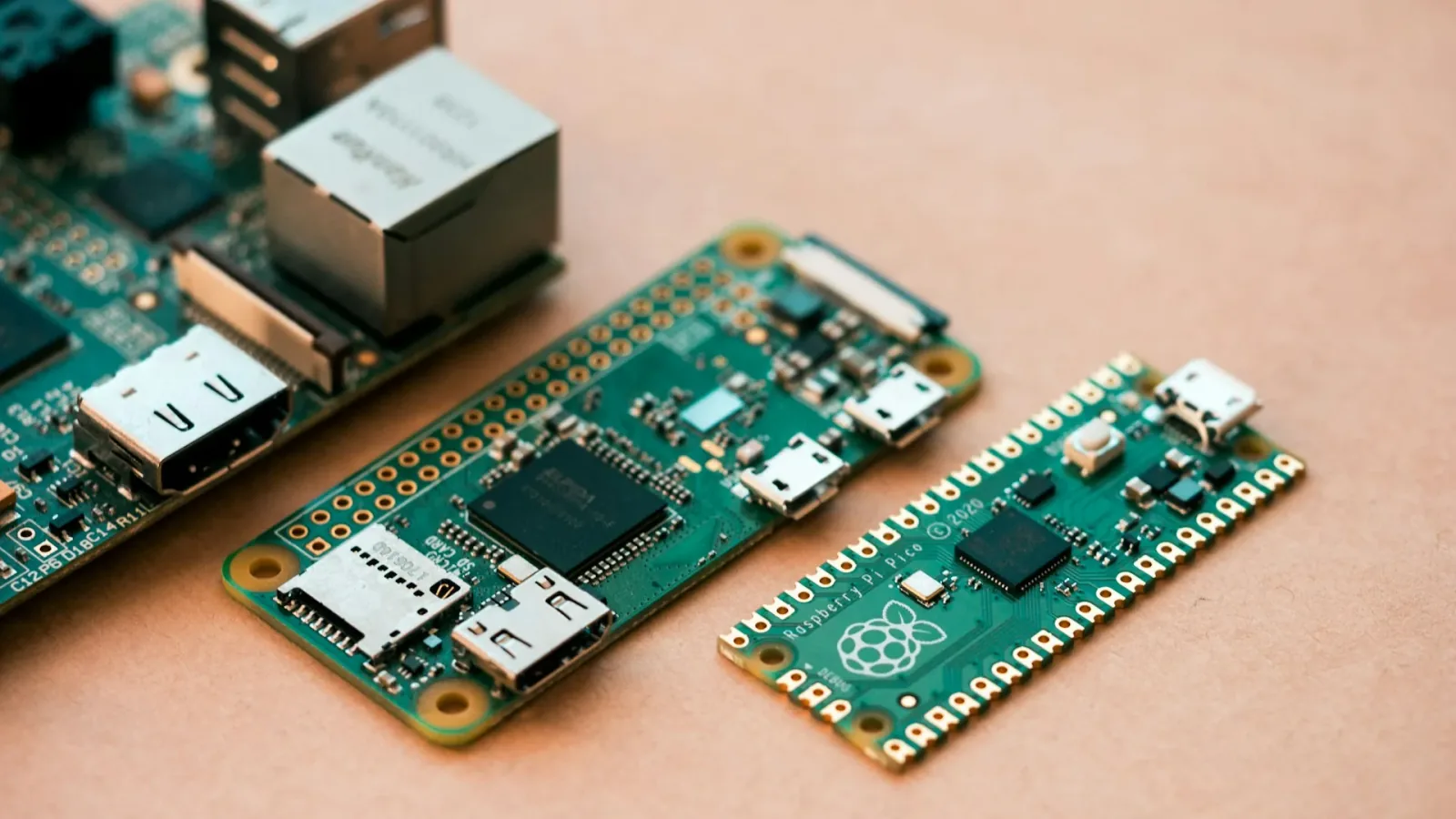
How to Build a Raspberry Pi Camera for Seamless WebRTC Streaming
Using the Pi Zero 2 W and the Camera Module 3